Introduction:
The Tagore Foundation is pleased to present its Annual Report, highlighting the organization’s activities and achievements in the areas of awareness of science and technology, ecology and environment, and employment fair for rural youth.
Mission and Objectives:
The foundation’s mission is to empower individuals and communities by promoting knowledge, innovation, and sustainable development. The specific objectives of the foundation include: Promoting awareness and understanding of science and technology among underprivileged communities. Encouraging environmental conservation and sustainable practices. Facilitating employment opportunities and skills development for rural youth.
Programs and Initiatives:
A. Awareness of Science and Technology:
The foundation conducted several initiatives to foster awareness of science and technology. These initiatives included:
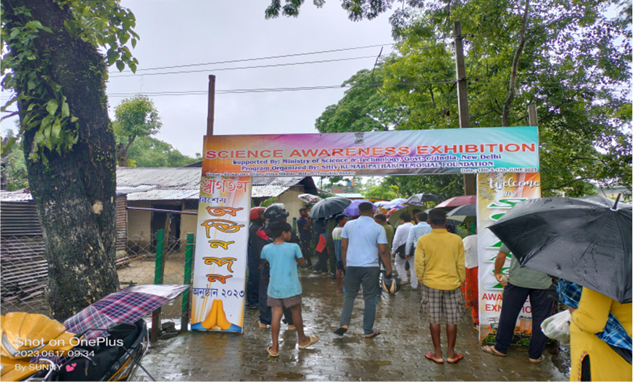
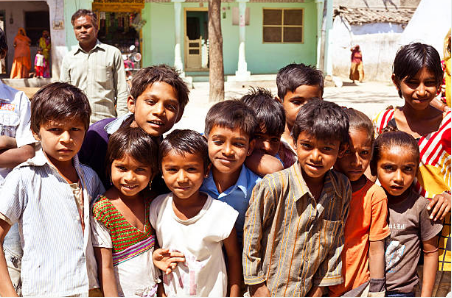
Science and Technology Workshops: Organizing workshops and training sessions in rural areas of Tinsukia District of Assam, to introduce scientific concepts and technological advancements to students and community members.
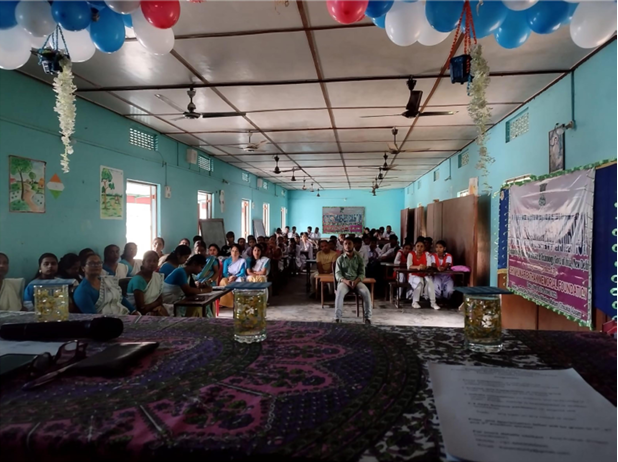
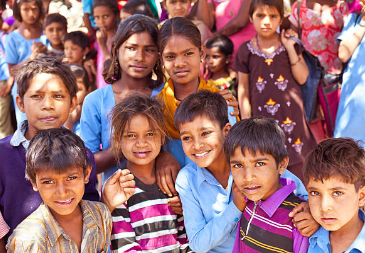
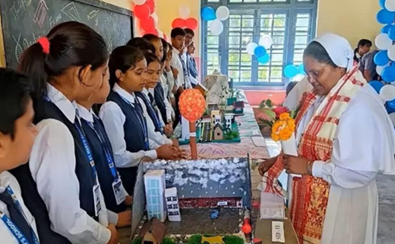
STEM Education Support: Providing resources, scholarships, and mentorship to talented students from underprivileged backgrounds, enabling them to pursue education and careers in science, technology, engineering, and mathematics (STEM) fields. Science Exhibitions: Hosting interactive science exhibitions in collaboration with schools and colleges to showcase innovative projects and encourage scientific thinking. A District Level Science exihibition organized in Makum Tinsukia Assam.
B. Ecology and Environment:
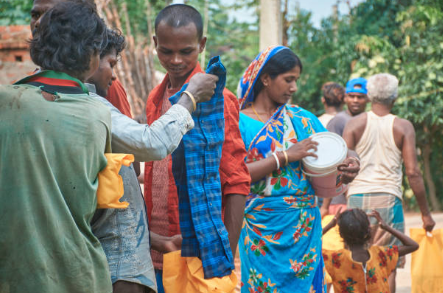
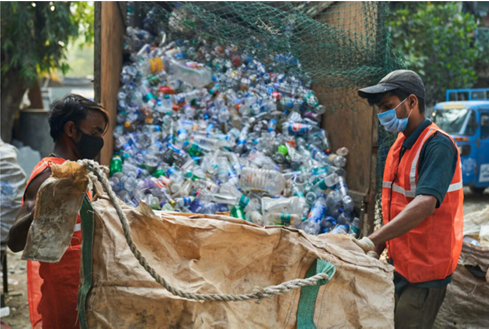
The foundation recognized the importance of environmental preservation and took the following steps: Tree Plantation Drives: Organizing tree plantation campaigns to combat deforestation and promote a greener environment. Tree Plantation organized in Rosera Block of Samastipur Distrct Bihar. Waste Management Programs: Conducting awareness campaigns and workshops on proper waste management practices, including recycling and waste segregation.
Environmental Conservation Advocacy: Collaborating with local communities, government agencies, and other NGOs to advocate for policies and practices that protect the environment and address climate change.
C. Employment Fair for Rural Youth:
The foundation recognized the challenges faced by rural youth in accessing employment opportunities and implemented the following initiatives:
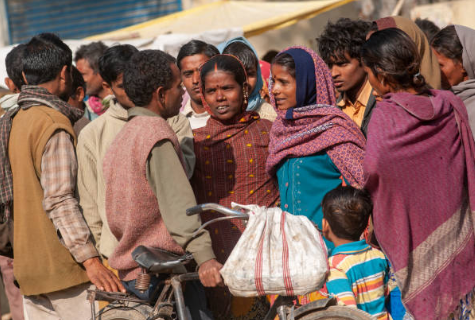
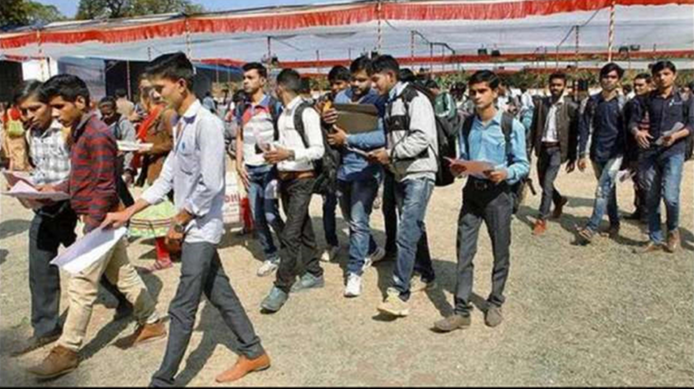
Employment Skills Training: Conducting skill development workshops to enhance the employability of rural youth by providing training in areas such as communication, computer literacy, and vocational skills. Job Placement Drives: Organizing employment fairs that bring together employers and rural youth, facilitating job placements and connecting aspiring individuals with suitable opportunities. A Job fair organized in Sachichidanand Pvt ITI Barauni Begusarai Bihar.
Entrepreneurship Development: Providing guidance and support to rural youth interested in starting their own businesses, including training in entrepreneurship skills and access to microfinancing opportunities.
Impact and Achievements:
Throughout the year, the foundation made significant progress in its initiatives: Increased Science Literacy: Over 100 individuals benefited from science and technology workshops and exhibitions, leading to increased interest and understanding of scientific concepts. Environmental Impact: Through tree plantation drives120] trees were planted, contributing to improved air quality and biodiversity conservation.
Waste Management Advocacy: 12 communities adopted better waste management practices as a result of the foundation’s workshops and awareness campaigns. Employment Opportunities: The foundation facilitated job placements for 23 rural youth, enabling them to secure sustainable livelihoods and improve their quality of life. Entrepreneurship Success Stories: 3 rural youth successfully launched their own businesses with the foundation’s support, creating employment opportunities within their communities.
Challenges and Lessons Learned:
The foundation faced certain challenges during the year, including limited resources, logistical constraints, and the impact of external factors such as the COVID-19 pandemic. However, these challenges served as valuable learning experiences, highlighting the need for adaptive strategies, stronger partnerships, and increased community engagement.
Future Plans and Recommendations:
Building on the achievements and lessons learned, the foundation outlines its future plans and recommendations for the coming year. These include: Expanding Reach: Increasing the geographical reach of initiatives to benefit more rural communities. Strengthening Partnerships: Collaborating with government agencies, educational institutions, and other NGOs to maximize impact and resources. Monitoring and Evaluation: Implementing robust monitoring and evaluation frameworks to measure the effectiveness and long-term impact of programs. Sustainability Initiatives: Incorporating sustainable practices within the foundation’s operations and encouraging environmental consciousness.
Acknowledgments:
The foundation expresses its sincere gratitude to all individuals, volunteers, partner organizations, and donors who contributed to the success of its programs and initiatives during the year.
Conclusion:
In conclusion, the Tagore Foundation’s Annual Report highlights the organization’s commitment to creating awareness of science and technology, promoting environmental conservation, and facilitating employment opportunities for rural youth. Through its dedicated efforts and community engagement, the foundation continues to make a positive impact and strives for a more sustainable and empowered future.